Quick Glance – Top 3 Best Months to Visit Tokyo in 2026
Overall Best Month: March
March offers the start of Tokyo’s cherry blossom season, mild temperatures (5–13°C), moderate crowds before peak sakura, and balanced prices. Supported by JNTO and international tourism statistics, March delivers the most renowned Japanese experiences with fewer drawbacks than peak spring.
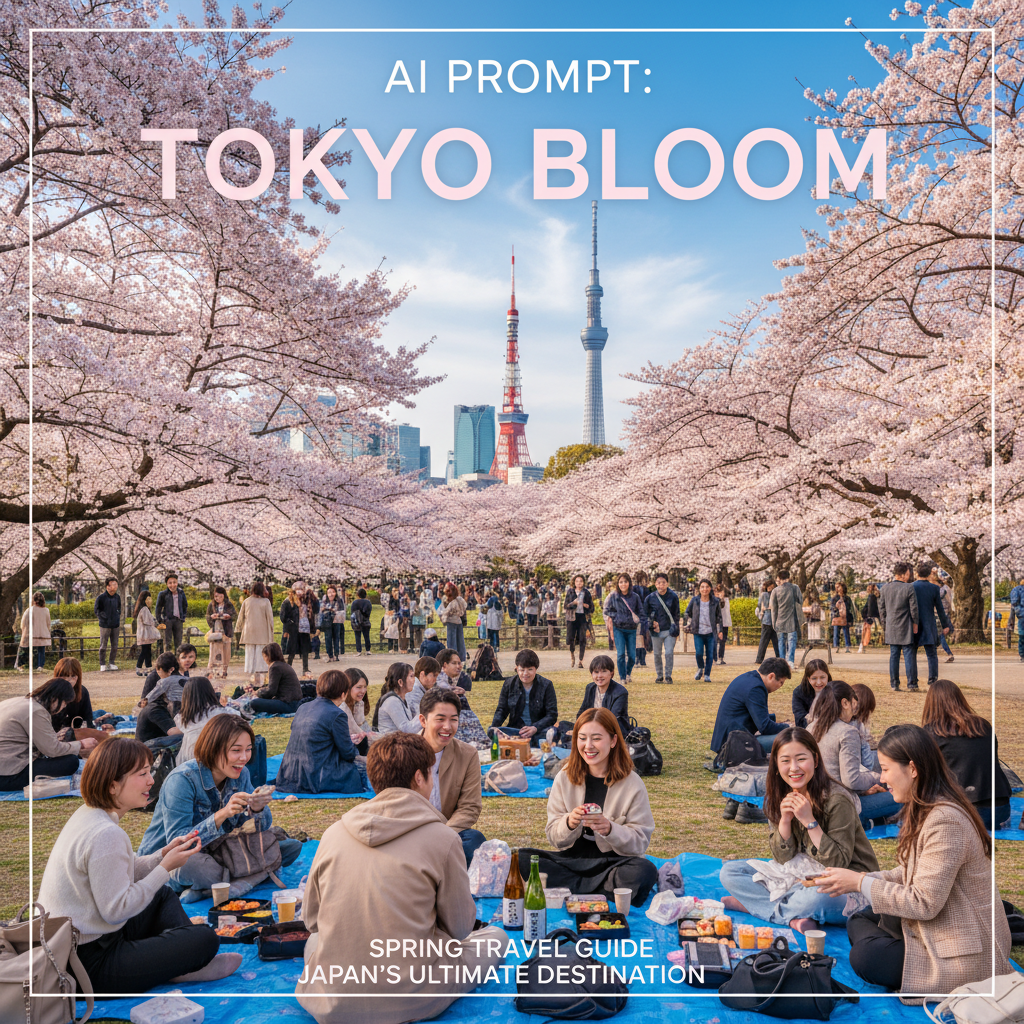
Best for Cherry Blossoms: Late March
The cherry blossoms in Tokyo typically bloom between March 22 and April 1 (2026 forecast). Ueno Park, Yoyogi Park, and Sumida River reach peak bloom around March 25–30, with hanami parties lighting up the city. Book accommodations three months in advance, as demand and prices surge by 20–50% during blossom weeks.
Best for Festivals & Culture: November
November brings crisp weather (10–18°C), vibrant autumn foliage, and key cultural events like Shichi-Go-San (November 15). Crowd levels and accommodation prices remain moderate, offering a more relaxed immersion in Tokyo’s local traditions and outdoor splendor.
Tokyo Travel by Month – Ranking & Reasons
January – Winter Charms & New Year Traditions
Cold (5–10°C), off-peak crowds, and low prices make January ideal for budget travelers. Experience hatsumode (first shrine visits), temple fairs, and the quiet beauty of Meiji Shrine. New Year’s events linger in early January, but most attractions are crowd-free by midmonth.
February – Illuminations & Local Events
Still cold (5–10°C) but with dry weather. Set aside time for Setsubun (February 3), marked with bean-throwing at temples. Tokyo’s vibrant winter illuminations continue, and crowd levels remain at their annual low.
March – Start of Cherry Blossom Season
Temperatures rise to 5–13°C. Pre-sakura crowds make this a comfortable month to explore before the international rush. Early-blooming spots: Koishikawa Botanical Garden, Ueno Park. Best value and experience blend.
April – Full Bloom & Spring Festivities
12–20°C and Japan’s most famous blooms reach their peak in early April. Golden Week (April 29–May 5) brings national holidays, surging crowds, and price spikes (20–50% higher for flights and hotels). Popular for hanami but book well in advance.
May – Golden Week & Garden Splendor
17–23°C, comfortable weather after the festival rush. Golden Week (till May 5) is crowded and costly, but the rest of May is quieter—perfect for city parks and garden tours. Children’s Day (May 5) features cultural festivities and family-friendly attractions.
June – Rainy Season Insights & Hydrangeas
20–26°C, high rainfall, and humid. Tokyo’s rainy season brings lush hydrangea displays (Asukayama Park, Hakusan Shrine). Crowds drop and prices fall, making it a value month for those undeterred by showers. Bring rain gear.
July – Summer Festivals & Fireworks
25–31°C, hot and humid. Summer matsuri (festivals), tanabata (star festival), and fireworks displays dominate. School holidays drive up crowd levels and prices.
August – Obon, Heat, and Unique Pop-Ups
27–32°C, the hottest month. Obon (mid-August) sparks return travel and festive traditions. Tokyo’s pop-up seasonal cafes and markets appear but expect high tourist density. Typhoon risk rises late August—plan indoor alternatives.
September – Typhoon Tips & Off-Peak Value
22–27°C, mild but with typhoon potential. Moon viewing (tsukimi) events and thinning crowds offer good value. Advised to confirm itinerary flexibility when booking.
October – Autumn Leaves Preview & Food Festivals
17–23°C, one of Tokyo’s best months for outdoor exploration. Halloween celebrations in Shibuya, early koyo (autumn leaves), and many food festivals. Moderate crowds and reasonable prices—excellent photography opportunities.
November – Peak Foliage & Cool Weather Walks
10–18°C, clear and cool. Autumn colors hit their stride in parks and gardens. Shichi-Go-San family festival on November 15, and lower accommodation rates compared to December. Ideal for scenic walks and local restaurants.
December – Festive Lights & Holiday Experiences
5–12°C, high national visitor numbers (up to 3.6M monthly). Tokyo glows with Christmas illuminations and New Year’s Eve celebrations. Prices and crowds crest over the holidays but ease off mid-December before the late-month rush.
Crowd Levels, Weather, and Prices: Month-by-Month Scorecard
Crowds: When to Avoid & When to Enjoy
- Peak periods: Golden Week (late April–early May), Obon (mid-August), and New Year (late December–early January) see the heaviest crowds, with accommodation occupancy over 90% and transit often standing-room-only.
- Off-peak: January, February, and June offer low tourist numbers and better deals.
- Shoulder seasons (March, October, November) provide the best compromise—vivid scenery, vibrant events, and manageable crowds.
Weather Patterns: What to Expect Each Month
| Month | Avg High (°C) | Rain Days | Weather Notes |
|---|---|---|---|
| January | 10 | 4 | Dry & cold, clear skies |
| February | 10 | 5 | Cold, crisp, minimal rain |
| March | 13 | 8 | Cool, cherry blossoms late month |
| April | 20 | 10 | Rainy early, full bloom mid-April |
| May | 23 | 10 | Sunny, mild; post-Golden Week quiet |
| June | 26 | 15 | Rainy season peak |
| July | 31 | 8 | Hot, humid, festival season |
| August | 32 | 9 | Hottest, Obon travel, typhoon risk |
| September | 27 | 11 | Warm, typhoons, fewer tourists |
| October | 23 | 8 | Mild, start of foliage, festivals |
| November | 18 | 7 | Cool, clear, peak colors |
| December | 12 | 3 | Cool, Christmas lights |
Accommodation & Flight Price Trends
- Major price spikes (20–60%) occur during cherry blossom season (late March–early April), Golden Week, Obon, and Christmas/New Year’s weeks.
- The lowest prices are found in January, February, and June, where deals abound and availability is highest.
- Each shoulder season (October–November and March) offers moderate rates when booked 3–4 months in advance. These periods see 20–30% lower prices than peak.
Event & Festival Highlights by Season
Spring – Cherry Blossoms, Hanami Parties & Matsuri
- Cherry blossom hanami (Ueno Park, Yoyogi Park, Chidorigafuchi)
- Sumida River Sakura Festival
- Kanda Matsuri (odd years, early May 2026 not scheduled)
Summer – Fireworks, Tanabata & Obon
- Sumidagawa Fireworks Festival (late July)
- Tanabata Festival (Shitamachi, July 7)
- Obon: Cultural performances, temple dances (mid-August)
Autumn – Food Festivals & Foliage Walks
- Tokyo Ramen Show (late October/early November)
- Jingu Gaien Ginkgo Avenue (golden leaves, mid-November)
- Halloween Parade (Shibuya, October 31)
Winter – New Year, Illuminations & Onsen Insights
- Hatsumode (New Year shrine visits, January 1)
- Tokyo Midtown & Marunouchi winter illumination displays
- Odaiba Onsen (Tokyo’s best indoor/outdoor hot springs)
Unique Local Experiences by Month
Secret Spots for Each Season
- Spring: Koishikawa Botanical Garden, Shakujii River for less-crowded cherry blossoms
- Summer: Oedo Antique Market, Edogawa fireworks away from main crowds
- Autumn: Konno Hachimangu Shrine (quiet foliage walks), Komazawa Olympic Park cycling
- Winter: Kiyosumi Gardens’ early plum blossoms, Yanaka Ginza neigborhood strolls
Seasonal Foods & Limited-Time Pop-Ups
- Spring: Sakura-flavored sweets, seasonal bento boxes
- Summer: Kakigori (shaved ice), yuzu ramen, festival street food
- Autumn: Chestnut desserts, matsutake mushrooms, sweet potato stands
- Winter: Oden (hotpot), amazake (sweet sake), holiday cakes
Neighborhoods to Explore Off the Tourist Path
- Yanaka (old Tokyo feels and crafts, best in autumn or winter)
- Kagurazaka (historic alleys, French-Japanese cafes, spring blooms)
- Shimokitazawa (vintage shops, indie music, pop-ups year-round)
Best Time to Travel to Tokyo for Different Travelers
Families With Kids
Best: Late March–early April (cherry blossoms), early October–November (autumn leaves, mild temperatures). Activities: Yoyogi Park picnics, Tokyo Disneyland, Pokémon Center, day trips to Fuji Five Lakes. Book accommodations 3–4 months ahead for spring and holidays.
Solo Travelers & Digital Nomads
Best: October for cultural walks, food festivals, and mild weather; winter (January–February) for crowd-free sightseeing. Enjoy quiet exploration in Asakusa, Shibuya crossing, or morning visits to Tsukiji Outer Market.
Luxury & Special Occasions
Best: Mid-April or late October–early November for stunning scenery and premium stays (high-end ryokan, Ginza dining, tea ceremonies). Book early for top experiences in cherry blossom or foliage season.
Budget Backpackers
Best: January, February, June (low season, 20–30% below peak prices). Enjoy free parks, markets, and off-beat neighborhoods. Steer clear of Golden Week and major festivals for value stays.
Pro Tips for Maximizing Your Trip by Season
Booking Early vs. Last-Minute – Smart Strategies
- Reserve 3–4 months ahead for travel during cherry blossoms, Golden Week, and autumn foliage. Hotels sell out and prices soar.
- Last-minute deals possible in low season (June, January, February), particularly for business hotels and business-class flights.
- For best flexibility, use sites with free cancellation and monitor price drops. For exclusive experiences, book premium tickets/ryokan as early as possible.
Packing Essentials for Every Month
- Spring/Autumn: Layered clothing, light jacket, umbrella, comfortable shoes
- Summer: Breathable fabrics, sunblock, hat, rain poncho
- Winter: Insulated coat, gloves, thermal wear
- Year-round: Portable charger, reusable water bottle, IC transport card (Suica/Pasmo)
Navigating Public Transport During Peak Seasons
- Buy/pre-load an IC card for seamless metro and bus use (Suica or Pasmo, valid also in convenience stores)
- JR Pass (Japan Rail Pass) is cost-effective for longer regional trips, but not for local Tokyo metro
- During Golden Week or festival weekends, use Google Maps to plan train alternatives; avoid rush hours (7–9am, 6–8pm)
- Families: Avoid luggage-heavy travel on peak days; check private lines for less congestion
Frequently Asked Questions About the Best Time to Visit Tokyo
- Q:What month has the best weather for sightseeing?
A:October–November: clear, mild, low rainfall, and excellent foliage. - Q:When are Tokyo’s cherry blossoms in full bloom in 2026?
A:Forecasted March 22–April 1, with peak viewing around March 25–30. - Q:How far ahead should I book for peak travel?
A:Book flights and accommodation at least 3–4 months in advance for March–May and October–November trips. - Q:What periods have the highest prices?
A:Cherry blossom weeks, Golden Week, Obon, and New Year (20–60% price hikes). - Q:Is it possible to find quiet areas during peak season?
A:Yes, explore Yanaka, Koishikawa, or west Tokyo parks during busy hanami or festival periods. - Q:What are the best stays for families?
A:Multi-room hotels or serviced apartments near Ueno or Shinjuku are well-suited for families.
2026 Insider Forecast – What’s New & What’s Changed in Tokyo This Year
- Tourist arrivals in Tokyo expected to maintain 2025’s record levels (42.7 million nationwide, JNTO), with continued emphasis on sustainable, off-peak travel (March and November promoted)
- Cherry blossom forecast: Slightly earlier bloom due to above-average winter temps (predicted March 22–April 1 peak)
- Ongoing transport upgrades for 2026: New direct express routes to Haneda Airport and enhanced tourist info centers
- Off-the-beaten-path initiatives launched—city pushing Yanaka, Kagurazaka, and Shimokitazawa to relieve Shibuya/Shinjuku congestion
- Advance ticketing apps for festivals and venues more widely introduced—book official event entries online to skip queues
Optimize your Tokyo adventure in 2026 by booking in advance, packing for changing weather, and exploring both classic sights and emerging neighborhoods. For top value and authentic local culture, visit in March or November—secure flights and hotels with free cancellation, and check last-minute deals using trusted booking platforms:
Sources: Japan Times, Japan National Tourism Organization (JNTO), NomadicMatt, TimeOut