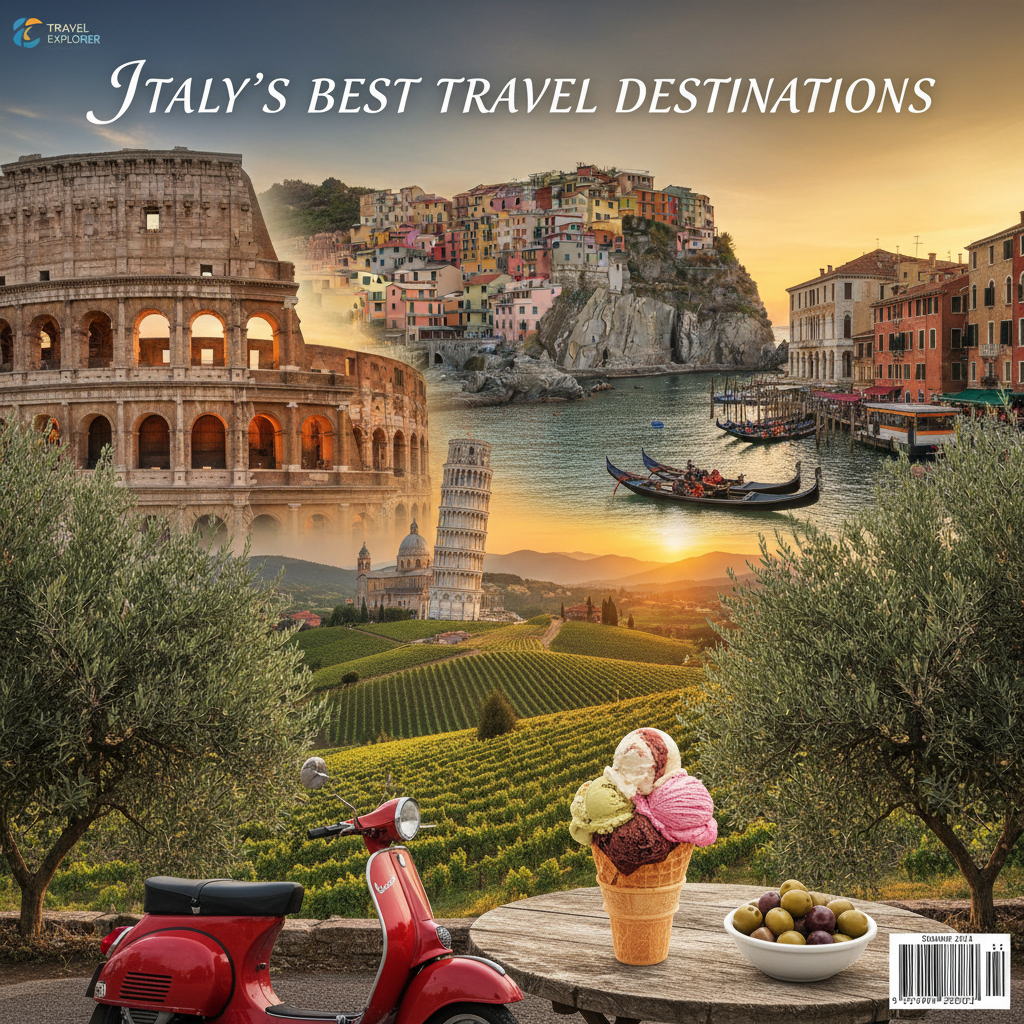
Quick Overview – Italy’s Top Travel Destinations for Every Traveler
Iconic Classics and Why They Endure
Italy’s classics remain magnets for travelers. In 2025, Rome, Florence, and Venice consistently topped visitor numbers, standing out for their historic sites, world-famous art, and immersive culture. Rome alone accounted for a large share of Italy’s 104 million foreign visitors, driven by icons like the Colosseum and Vatican. Florence delights with Renaissance masterpieces, while Venice’s canals continue to captivate despite new sustainable tourism measures such as day-trip fees and restricted gondola access.
- Rome: 4.7/5 average rating. Highest international arrival rates, especially during summer peaks.
- Florence: 4.8/5. Renowned for Uffizi and Accademia, cultural draw spikes in spring and early autumn.
- Venice: 4.6/5. Overtourism prompts visitor caps and an increased focus on green practices for 2026.
Hidden Gems Worth Discovering in 2026
Tourism dispersion strategies and traveler demand reveal rising stars outside major hubs. Regions like Puglia, Le Marche, and Valle d’Aosta report double-digit growth, powered by new rail links, rural escapes, and luxury experiences. Key up-and-coming spots include:
- Val di Noto (Sicily): Baroque cities like Noto and Modica offer a relaxed pace away from Taormina’s crowds.
- Cilento Coast (Campania): Unspoiled coastline, Greek ruins, and world-class mozzarella present a quieter alternative to Amalfi.
- Valle d’Aosta: Affordable Alpine getaways with scenic hiking, castles, and growing spa culture.
Trends: Off-the-Beaten-Path Regions on the Rise
Driven by the Milan-Cortina Winter Olympics, 2026 will spotlight Northern Italy and Alpine regions. Over 60% increase in foreign arrivals to areas around Lake Como and the Dolomites is forecasted. Government policies now target 96% of under-visited communities, bolstering rural stays, rail connections, and year-round festivals to minimize seasonal congestion.
Expert Picks – The 15 Best Places to Visit in Italy
#1 Rome – The Timeless Heart of Italy
Center of history, politics, and ancient ruins. In 2025, Rome saw record tourism, ranking top for city breaks and cultural sightseeing. Major spots: Colosseum, Roman Forum, Vatican Museums. Advance reservations required for top sites. Recommended visit: April–June, September–October to avoid summer crowds.
#2 Florence – Cradle of Art and Renaissance
Florence blends world-class museums (Uffizi, Accademia) with Tuscan charm. Peak months see 9 million tourists/month nationally. Best time: spring/fall for mild weather and fewer queues. Pair trips with Chianti vineyards for a complete Tuscan experience.
#3 Venice – Canals, Culture, and Carnival
Iconic for its waterways, Venice is refocusing on sustainable tourism. Expect day-tripper fees, limited gondola rides, and reduced crowding policies in 2026. Main events: Venice Biennale, Carnevale. Visit in shoulder seasons for quieter experiences.
#4 Amalfi Coast – Cliffside Charm and Coastal Beauty
Luxury destination with a summer surge; non-hotel stays are booming. Explore pastel villages, hike the Path of the Gods, and enjoy beaches in May or October for the best value and fewer tourists. Book well in advance for peak stays.
#5 Cinque Terre – Colorful Fishing Villages by the Sea
Popular for hiking between its five seaside villages, Cinque Terre’s growth is closely tracked. Trail access now requires permits; eco-fees are rising. Spring and fall are optimal for weather and crowd control. Book accommodations early.
#6 Milan – Fashion, Design, and Modern Italy
Milan hosts global events like Fashion Week and is a hub for business. The city’s luxury and design credentials are matched by cultural attractions such as the Duomo and Last Supper. Corporate travel is up 14% in the region. Avoid August closures.
#7 Tuscany – Vineyards, Hill Towns, and Culinary Delights
Tuscany dominates agriturismo, with non-hotel stays up 13%. Explore medieval towns (Siena, San Gimignano), award-winning wineries, and sustainable farm stays. Late spring and autumn offer wine festivals and harvest tours.
#8 Sicily – Ancient Ruins and Island Allure
Benefiting from expanded flight access, Sicily attracts visitors to both classical sites (Valley of the Temples, Syracuse) and trendy Baroque towns. Beaches, volcano tours (Etna), and food scenes support year-round appeal.
#9 Dolomites – Alpine Adventure and Majestic Landscapes
Alpine region trending for outdoor pursuits: skiing in winter, hiking and climbing in summer. Eco-friendly initiatives, like carbon-neutral ski resorts, are expanding. Long-stay luxury and shoulder season visits are on the rise thanks to Olympic publicity.
#10 Puglia – Undiscovered Southern Charms
Puglia’s growth is substantial, supported by new low-cost flights and rail improvements. Highlights include trulli houses, whitewashed towns, and Adriatic beaches. Masseria villa rentals and farm-to-table dining are top-rated for 2026.
#11 Bologna – Food Capital and Medieval Splendor
Arrivals up 12% in 2025, Bologna is Italy’s culinary birthplace, famous for ragù and regional wines. The medieval center is lively, and relocation trends make this a hotspot for expats. Visit in spring/fall for cultural events and food festivals.
#12 Sardinia – Beaches, Myths, and Local Traditions
Luxury vacations are trending, with yachting and beach escapes at their peak. Off-season offers bargains, but prime travel is during spring/early autumn for warm seas and smaller crowds.
#13 Umbria – Quiet Valleys and Spiritual Retreats
A greener alternative to Tuscany, Umbria is perfect for relaxation, hillside villages, and agritourism. Festivals and culinary events attract off-season visitors seeking authenticity and fewer tourists.
#14 Lake Como – Luxury, Villas, and Natural Beauty
Lake Como remains a staple for luxury travel, supported by celebrity-driven interest. Spring and autumn yield the quietest lakeside experiences. Growing popularity requires advance villa reservations, especially around Bellagio and Menaggio.
#15 Matera – Cave Dwellings and Movie Magic
Southern Italy’s Matera, known for its ancient “sassi” (cave dwellings), has gained fame from movie sets and UNESCO recognition. Growth in sustainable stays and boutique hotels mirrors its increasing visibility.
Authentic Italy – Unique Local Experiences in Each Destination
Seasonal Food Festivals and Cultural Events
Spring brings FAI Heritage Days (April) with special access to historic sites, while summer is filled with open-air concerts and the globally recognized Venice Biennale. In autumn, harvest festivals dominate Tuscany and the Amalfi Coast. Each region offers signature foods—Bologna for tagliatelle, Sicily for cannoli, Puglia for orecchiette—showcased in seasonal food fairs and local sagre.
Meeting Locals: Tours and Workshops with Experts
2026 will see a surge in expert-led experiences, including cooking classes in Rome, wine tastings in Chianti, glassblowing workshops in Venice, and truffle hunts in Umbria. These activities consistently earn 4.8–5/5 satisfaction ratings among international visitors, with over half booking guided tours via online platforms.
Eco-Tourism and Responsible Travel in 2026
Italy’s green tourism push is tangible: Venice institutes visitor fees and eco-caps, Cinque Terre limits hiking permits, and Tuscany’s agriturismi promote carbon-neutral operations. Sustainable choices include rail travel, certified green accommodations, and prioritizing lesser-known villages to help disperse crowds.
Seasonal Guide – When to Visit Italy’s Best Destinations
Spring Blossoms and Easter Celebrations
April–June is ideal, with mild temperatures (Florence: 64–81°F, Rome: similar), long daylight, and lush countryside. Classic events include wildflower hikes and city festivals, culminating in Easter celebrations across Italy. Crowds and prices are manageable, making it the top pick for outdoor enthusiasts.
Summer: Sun, Sea, and City Life
July–August yields massive peaks, with more than 18 million monthly arrivals nationally (2025 data). Expect packed coasts (Amalfi, Sardinia), hot cities (Rome: 88°F+), and higher costs. Ferragosto (August 15) is the busiest public holiday. Plan ahead or opt for mountain escapes in the Dolomites and Valle d’Aosta.
Autumn: Harvest, Wine, and Fewer Crowds
September–October brings warm days (68–79°F in Florence), vineyard tours, olive and grape harvests, and lower visitor density. Value is high, with better access to museums and culinary events, making this the second-best season for most regions.
Winter: Festive Markets and Ski Escapes
Winter (November–March) means Christmas markets, city bargains, and top ski conditions in the Dolomites and Alps. Expect closed beach resorts and some city shutdowns in August, but cheaper hotel rates and unique holiday celebrations.
The Ultimate Italy Travel Itinerary for 2026
7-Day Classic Route
- Day 1-2: Rome (Colosseum, Vatican, Trastevere)
- Day 3: Florence (Uffizi, Ponte Vecchio)
- Day 4: Tuscany (Siena, Chianti wine tour)
- Day 5-6: Venice (St. Mark’s, Grand Canal)
- Day 7: Milan (Duomo, Galleria Vittorio Emanuele)
14-Day Discovery Journey
- Rome – 2 days
- Florence & Tuscany – 3 days
- Venice – 2 days
- Cinque Terre – 2 days
- Amalfi Coast – 2 days
- Matera – 1 day
- Puglia or Sicily – 2 days
- Milan/Lake Como – 1 day
Thematic Routes: Food, Art, Adventure
- Food: Bologna (pasta workshops) – Parma (cheese/ham tastings) – Tuscany (vineyards) – Sicily (street food tour)
- Art: Rome (ancient museums) – Florence (Renaissance art) – Venice (glass workshops)
- Adventure: Dolomites (hiking/climbing) – Sardinia (windsurfing) – Lake Garda (biking)
Travel Tips for Exploring Italy’s Top Destinations
Getting Around – Trains, Cars, and Ferries
- Rail: High-speed lines (Frecciarossa, Italo) link Rome, Florence, Milan, and Venice. Puglia’s new regional railways now create car-free hubs (e.g., Lecce).
- Bus/Metro: Integrated networks in cities; Venice and historic centers best explored on foot.
- Flights: Low-cost options to secondary regions boost access to Sardinia, Puglia, Sicily.
- Ferries: Connect coastal/island destinations like Amalfi, Sardinia, Cinque Terre, and Sicily’s offshore islands.
Budget Breakdown for Every Type of Traveler
- Accommodation: €150–300/night (mid-range, summer rates); agriturismi and B&Bs growing in popularity (record 80.6 million non-hotel stays in 2025).
- Dining: €10–15 (quick meals), €40–60 (three-course regional trattoria).
- Transport: High-speed train: €20–80; local bus: €1.50–3; ferries: €15+ per journey between coastal towns.
- Attractions: Major museums €10–25; bundle tickets and off-peak discounts available.
- Best Value: Naples, Matera, old Jewish Ghetto (Venice) for affordable eats, drinks, and stays.
Accommodation – Where to Stay in Each Region
- Luxury: Villas, boutique hotels (Tuscany, Amalfi, Lake Como)
- Mid-range: Agriturismi (Tuscan and Umbrian countryside), city-center B&Bs (Florence, Bologna, Lecce)
- Budget: Hostels, small pensions (Rome, Milan, Naples); off-season bookings offer better rates
Frequently Asked Questions About Italy’s Best Travel Spots
- When is the best time to visit Italy? April-June and September-October are ideal for weather and fewer crowds.
- Do I need to pre-book attractions? Yes, especially for Colosseum, Uffizi, and Vatican.
- Is train travel efficient? Italy’s high-speed and regional trains cover most top destinations; car rentals best for rural zones.
- What is the safest way to visit Cinque Terre or Amalfi? Rail and shuttle buses, especially with new eco-fees and crowd controls in effect.
- How can I travel sustainably? Use trains, stay in green-certified lodgings, and prioritize lesser-known regions.
Further Inspiration – Hidden Gems, Food Trails, and Local Recommendations
- Trieste: Blend of Central European and Italian culture on the Adriatic.
- Parma: Art, Duomo, renowned for parmigiano and prosciutto tours.
- L’Aquila: Restored mountain city offering art installations and modern culture.
- Book your trip with recommendations from:
Ready to plan your Italian adventure for 2026? Book early and consider sustainable travel for a richer, more rewarding experience across Italy’s top destinations.