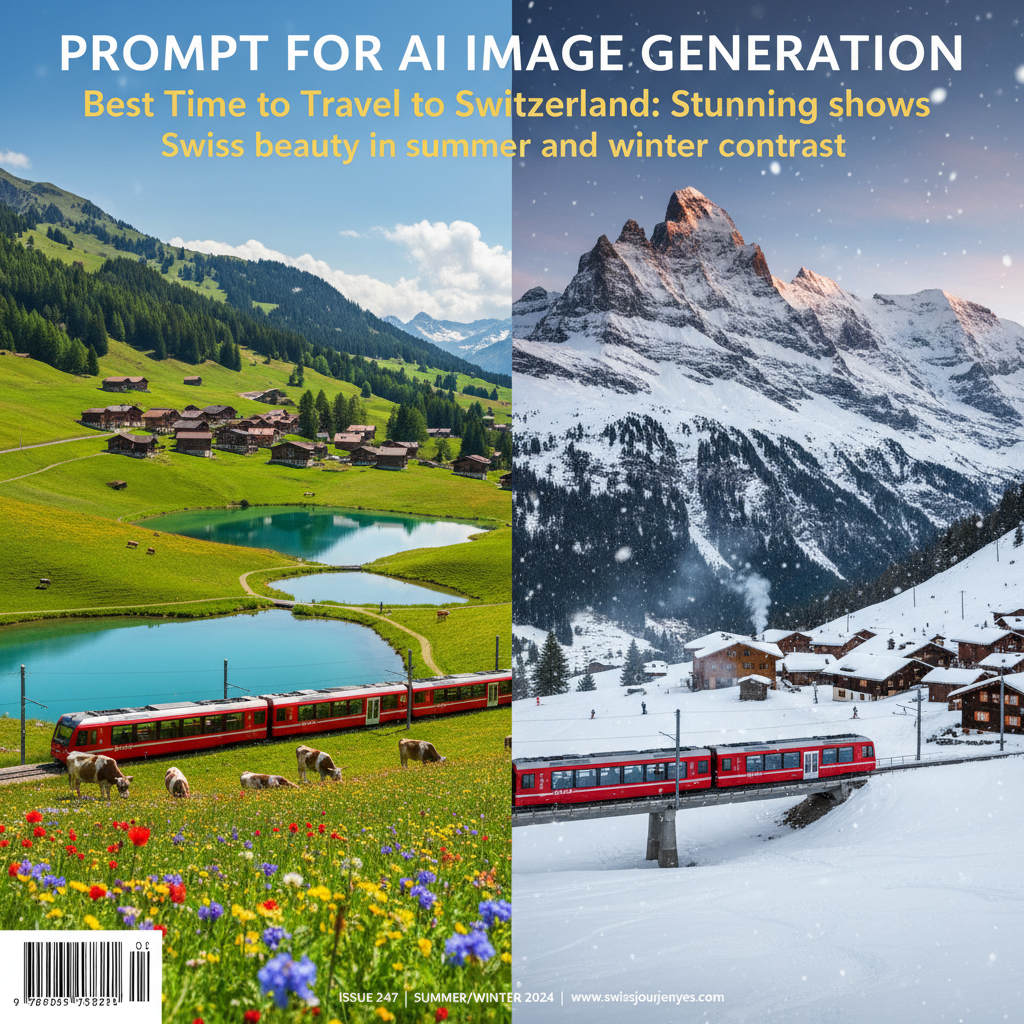
Quick Answer: Best Time to Visit Switzerland in 2024/2025
Top Recommendations for Weather, Crowds, and Experiences
The best time to travel to Switzerland in 2024/2025 depends on your priorities. For vibrant outdoor activities and clear alpine trails, visit in late June through September. For fewer crowds and budget savings, consider April-May or October-November. Ski enthusiasts will find peak conditions from December to early March. Record tourism data from 2024 shows winter months (Dec-Feb) reached 18.5 million overnight stays, while summer (June-August) saw tourist numbers rise to 21 million. Autumn is gaining popularity for its mild weather and harvest festivals with lower crowd levels.
Summary Table: Best Months by Activity
| Activity | Best Months | Highlights |
|---|---|---|
| Hiking & Nature | June-September | Alpine trails, mild climate, wildflowers |
| Skiing & Snow Sports | December-March | Peak conditions in February, top resorts open |
| City Exploration | April-May, September-October | Lower crowds, cultural events, blooming parks |
| Festivals & Food | July, September-October, December | Montreux Jazz, harvest celebrations, Christmas markets |
| Rail Journeys | Year-round | Scenic routes: Glacier/Bernina Express, shoulder seasons less crowded |
How Climate Change Is Shaping Swiss Seasons
2024/2025 Weather Patterns and What Travelers Should Know
Swiss tourism authorities have noted shifts in weather extremes and tourist demand. Warmer summers have pushed some activities later into fall, while alpine snow reliability is decreasing below 1,500 meters. In 2024, southern European heat waves led to a 7% rise in summer visits to Swiss mountain regions. Storm frequency increased in July and August, impacting hiking safety and train schedules. The Swiss National Weather Service predicts above-average autumn temperatures in 2025, extending the hiking season but shortening prime ski periods at lower altitudes.
Impact on Popular Activities (Hiking, Skiing, Scenery)
Hiking is now best from late May to October, with many trails opening weeks earlier than previous decades. Glacier retreats and warming have shifted classic ski openings, with resorts above 2,000 meters maintaining reliable snow cover through March. Winter sports at lower elevations face more rain events mid-winter. Leaf color changes and harvests now peak in late September, a shift of 1-2 weeks over the past decade.
Seasonal Breakdown: Switzerland Month by Month
Spring (March-May): Wildflowers, Melting Alps, and City Blooms
March begins with receding snow below 1,200 meters; ski resorts wind down, while cities like Bern and Lucerne bloom. By April-May, meadows ignite with wildflowers, and waterfalls peak from snowmelt. High-altitude hiking opens late May, with off-season deals in hotels. Museums and lakeside towns offer peaceful exploration with few crowds.
Summer (June-August): Hiking, Lakes, and Festivals
Summer is the best time to travel to Switzerland for outdoor activities. All major hiking routes are accessible, lakes reach swim-friendly temperatures (Lake Geneva averages 22°C in July), and festivals such as the Montreux Jazz (July) and Swiss National Day (Aug 1) draw lively crowds. Expect peak tourist levels, especially in Interlaken and Zermatt, where visitor numbers can be 20 times higher than in November.
Autumn (September-November): Fall Colors, Harvest, and Shoulder-Season Finds
September and October offer golden forests and vineyard harvests—ideal for photos and wine tasting. The autumn shoulder season brings lower hotel rates and fewer crowds. Many mountain railways and cable cars operate reduced schedules in November, which is also the rainiest month in cities like Geneva.
Winter (December-February): Snow Sports, Christmas, and Hidden Gems
December to February is the best time to travel to Switzerland for snow sports. Resorts like St. Moritz, Zermatt, and Verbier offer world-class skiing, with February typically recording the highest overnight stays (over 6 million in 2024). Christmas markets in towns such as Zurich and Basel are international favorites. Off-the-beaten-path thermal spas in Leukerbad and Scuol see rising winter popularity as alternatives to crowded ski resorts.
“Zwischenzeit”: The Swiss Off-Season and What to Expect
April-May and October-November are local off-seasons called Zwischenzeit. Many mountain hotels and funiculars close for maintenance. City sights, spas, and museums remain open, with lower room rates and quiet streets. This period is perfect for relaxed urban stays and planning using the Swiss Travel Pass for flexible rail travel.
Best Time by Interest: Unique Experiences in 2024/2025
Scenic Rail Journeys and Sustainable Train Travel
Year-round, the Glacier Express, Bernina Express, and GoldenPass lines offer panoramic views. Trains are less crowded in spring and fall. The Grand Train Tour of Switzerland links four language regions and top alpine resorts in 8-10 days—ideal in May-June or September-October for availability and scenery. For savings, select the Swiss Travel Pass here.
Food, Wine, and Local Events Calendar
Gourmets should target September’s grape harvest in Lavaux (UNESCO) and autumn cheese festivals in Gruyères and Appenzell. December’s Christmas markets are a must for Swiss chocolate and mulled wine. Spring vineyard tours and October’s Truffle Festival in Yverdon-les-Bains are local favorites.
Outdoor Adventures: Hiking, Skiing, and Offbeat Sports
Hiking peaks from June to September, with signature trails around Lauterbrunnen, Grindelwald, and the Eiger’s North Face. Paragliding over Lake Thun or canyon swings in Grindelwald run April through October. Glacier skiing is available on Matterhorn’s year-round slopes; snowshoeing and winter hiking trails expand in January-February.
City Escapes Combined with Alpine Nature
Combine Zurich’s museums and nightlife with day trips to Lake Lucerne’s peaks (Pilatus or Rigi). Geneva’s food scene pairs with sunset cruises and UNESCO vineyards. Bern’s medieval old town and Rose Garden combine well with Emmental’s cheese dairies. These blends are easiest in spring and autumn when urban and alpine crowds are low.
Lesser-Known Festivals and Cultural Highlights
Seek Appenzell’s Alpine Descent (September), Locarno Film Festival (August), and Lugano’s Autumn Festival (October) for authentic local culture. Fewer tourists attend these compared to the Montreux Jazz Festival and Zurich’s Street Parade.
Sustainable Switzerland: Timing Your Trip for Eco-Friendly Travel
Best Seasons for Low-Impact Exploration
Spring and autumn are optimal for sustainable travel. Lower visitor volumes mean less strain on local resources, and most public transport routes run year-round. Hiking and cycling paths are best explored outside peak summer—reducing trail erosion and pressure on alpine villages.
Green Hotels, Rail Passes, and Responsible Tourism Resources
Look for Green Globe or Swiss Eco Label hotels in Lucerne, Zermatt, and Lausanne. The Swiss Travel Pass covers most carbon-neutral journeys, with new night train routes (2025) from Zurich to European capitals. For responsible travel tips and green booking, check MySwitzerland Sustainability.
Pricing, Crowds & Smart Booking Strategies
How Prices Fluctuate by Season and Region
Summer (July-August) and winter (Christmas-New Year, February school holidays) are the most expensive, with hotel rates up to 50% higher in Zermatt and St. Moritz. Shoulder season weeks in May, June, and late September-November see room rates drop by up to 35%. Cities such as Zurich and Geneva offer weekend discounts outside trade fair periods. Dynamic pricing applies to Swiss rail tickets; book 2-3 months ahead for deals.
Best Times for Deals and Avoiding Overtourism
Travel in late spring or early autumn to find the best time to travel to Switzerland for budget savings and light crowds. Avoid the second week of February and Swiss National Day (August 1) for big crowd surges. Choose midweek stays and remote villages to dodge tourist hotspots.
Money-Saving Tips for Festivals, Passes, and Packages
- Use the Swiss Travel Pass (purchase here) for unlimited train, bus, and boat rides.
- Bundle hotels and activities (e.g., Jungfrau Railways Pass for Grindelwald and Wengen access).
- Seek “Kids Travel Free” offers (under 16s free with adult pass).
- Book festival events and Christmas hotels at least 6 months early.
FAQ: Planning Your Switzerland Trip in 2024/2025
Common Questions on Timing and Activities
- Which month is cheapest? November (city breaks) and early May.
- Which months are best for hiking? Late June to early October.
- When do Christmas markets start? Late November, peak in December.
- What’s the “Zwischenzeit”? The off-season, April-May and October-November—expect quiet towns and closed mountain hotels/lifts.
Key Dates to Avoid or Target
- Peak ski season: Christmas-New Year, mid-February (school holidays)
- Montreux Jazz Festival: First two weeks of July
- Swiss National Day: August 1st
- European public holidays: Check publicholidays.ch before booking
Sample Itineraries by Season and Travel Style
Classic Highlights: 7 Days in Summer or Winter
- Summer: Zurich – Lucerne (Lake, Mt. Pilatus) – Interlaken (Lauterbrunnen, Jungfraujoch) – Zermatt (Matterhorn, Gornergrat Rail) – Geneva.
- Winter: Zurich – St. Moritz (ski, Glacier Express) – Zermatt – Bern (Ice skating, museums).
Off-the-Beaten-Path: Shoulder Season Adventures
- Basel art museums, Ticino lake hikes, vineyard tours in Vaud, autumn hiking in Valais, cheese villages of Appenzell.
Workations and Long-Stay Suggestions for 2024/2025
- Swiss business hubs (Zurich, Geneva) offer fast rail to remote nature. Stay in Lausanne or Lucerne for urban-alpine balance.
- Work remotely from Grindelwald or Sils for year-round scenery.
Switzerland Travel Trends for 2025 and Beyond
Emerging Destinations and Experiences
Interest in Jura’s slow-travel and Neuchâtel’s watchmaking tours is rising. Southern Ticino’s eco-trails and Graubünden’s wine hikes are predicted to gain visitors in 2025/2026. New glacier walking routes and thermal spa developments are in progress across Valais and Engadin.
Future Travel Patterns and What They Mean for Timing
Tourists are booking later and shifting trips to shoulder seasons for sustainability and savings. Rail travel is poised to rise 12% by 2026, with more eco-focused itineraries and remote work blending leisure and business. Overtourism responses may see further visitor caps in hotspots like Jungfrau and Zermatt—reinforcing shoulder and off-season stays as the best time to travel to Switzerland.
For the latest offers and passes: Switzerland Tourism Official
Book your ultimate Switzerland rail and activity adventure here.