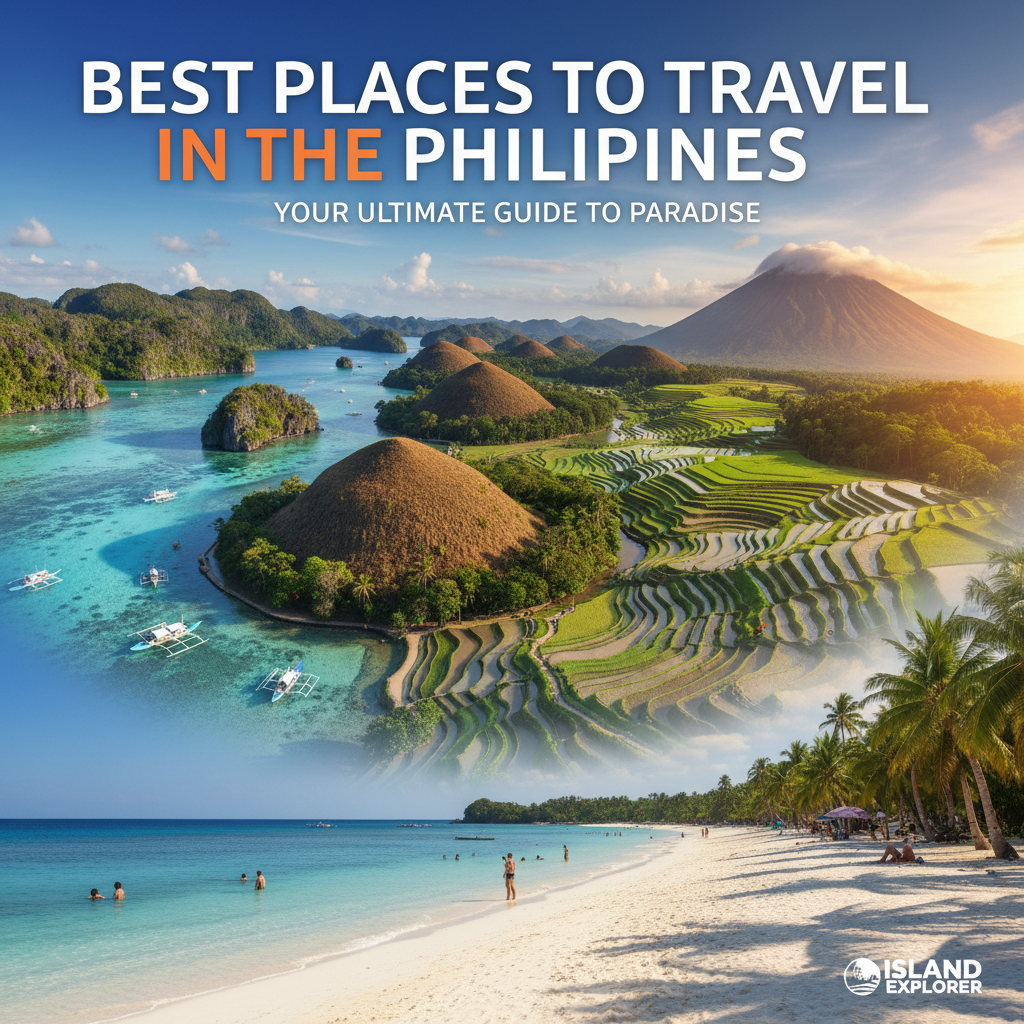
Why the Philippines Shines in 2026 – A Quick Introduction
What’s New for Travelers This Year?
In 2026, Philippine tourism aims to surpass the 6.48 million visitors logged in 2025, driven by strong demand for eco-tourism, cultural immersion, and new direct flight routes from major cities like San Francisco and Paris. International arrivals are now staying an average of 11 nights and spending $1,631 per trip, outpacing the ASEAN average. Innovations include streamlined e-Visa processes, expanded visa-free entry (notably for Indian, Taiwanese, and Chinese nationals), and improved transportation links to regional hotspots. The “Philippine Experience Program” promotes over 60 new tour packages focused on authentic local culture and natural wonders, reflecting government efforts for quality over quantity in tourism.
Sustainability and Responsible Tourism Trends
The Department of Tourism (DOT) prioritizes sustainability in 2026 by expanding eco-tourism initiatives and supporting regional diversity. Initiatives include developing 100 Tourist Rest Areas throughout the country, increasing 24/7 multilingual support, and enhancing infrastructure for clean, safe, and responsible travel. Conservation efforts safeguard marine and forest reserves, with applauded models in Palawan, Bohol, and Apo Island. Retiree tourism grows by 25% year-on-year, targeting high-value, long-stay guests with a lower age bracket for Asian retirees (40+). The DOT’s policies align with ASEAN’s sustainable tourism goals and the national target for tourism to contribute 6–7% to GDP.
Quick Picks – Top 5 Must-Visit Destinations in the Philippines for 2026
-
Best Overall Experience: Palawan (El Nido & Coron)
Palawan is lauded for untouched beaches, vibrant coral reefs, and the UNESCO-listed Puerto Princesa Subterranean River. El Nido and Coron rank highest for island-hopping, crystal-clear lagoons, and sustainable eco-lodges. Visitor numbers projected to exceed 1.5 million in 2026 with a focus on small-group and nature-based tours.
-
Best For Adventure: Siargao Island
Siargao continues to attract surfers, digital nomads, and outdoor enthusiasts with its internationally recognized Cloud 9 break, natural pools, and casual island lifestyle. Featured as the top pick for adventure travel, it enjoys growing popularity among under-35s, comprising about 45% of its visitor profile.
-
Best Island Escape: Boracay (Beyond White Beach)
Boracay remains world-famous for its powder-soft White Beach but now features expanded eco-zones, new culinary trails, and year-round cultural events. Post-rehabilitation, Boracay serves about 2 million annual visitors and is a model for responsible island tourism, emphasizing water sports and local dining.
-
Best Cultural Immersion: Vigan City
Vigan, a UNESCO heritage town, offers Spanish colonial architecture, cobblestone streets, and immersive cooking or pottery workshops. Heritage walks and local craft experiences drive cultural tourism, which now motivates 22% of European visitors to the Philippines.
-
Best Nature Wonder: Banaue Rice Terraces
The Banaue Rice Terraces attract eco-minded travelers and hikers, sustaining regional economies. These 2,000-year-old terraces host over 200,000 trekkers yearly, offering homestays and indigenous workshops centered on the Ifugao culture.
Hidden Gems: Underrated Places to Travel in the Philippines in 2026
-
Romblon – Marble Islands & Crystal Waters
Romblon offers pristine beaches and marble heritage with low visitor density compared to mainstream sites. Boutique hotels and eco-diving excursions highlight its position as an emerging sustainable tourism site. Supports community outreach and ecological conservation.
-
Catanduanes – Untouched Surf & Waterfalls
This island caters to adventure seekers with unspoiled surf spots, wild waterfalls, and low tour traffic. Regional tourism is growing, especially among surfers and nature photographers seeking less crowded alternatives.
-
Apo Island – Eco-Friendly Diving Paradise
Known globally for well-preserved coral reefs and sea turtle sanctuaries, Apo Island enforces strict no-touch policies and daily visitor limits, making it a model for responsible marine tourism.
-
Lake Sebu – Indigenous Culture & Tranquil Lakes
Famous for T’boli culture, indigenous eco-lodges, and tranquil lakes, Lake Sebu welcomes visitors for handicrafts, fishing, and immersion in tribal traditions. Low-density tourism preserves its serene environment.
-
Calayan Islands – Remote Wildlife Encounters
Calayan remains a secluded haven for whale-watching and birding, attracting only the most adventurous travelers. Government promotion and limited infrastructure ensure environmental protection and exclusivity.
Eco-Friendly and Sustainable Destinations in the Philippines
-
Ticao Island – Marine Conservation & Ethical Excursions
Located in Masbate Province, Ticao Island emphasizes marine preservation and community-responsible tourism. Initiatives support local education and environmental programs, with positive visitor feedback for its unspoiled natural beauty.
-
Bohol – Eco-Resorts & Chocolate Hills Adventures
Bohol successfully integrates eco-resorts with events like the Panglao Dive Festival. Partnerships among local governments and stakeholders accelerate sustainable development, while visitor satisfaction ratings are strong for both accommodations and biodiversity protection.
-
Donsol – Responsible Whale Shark Experiences
Donsol’s ethical whale shark programs fund local fisherman-guides and protect amphibian habitats. Its community model has gained international recognition, with high repeat-visitor rates and consistent inclusion in responsible wildlife tourism studies.
-
Puerto Princesa – Community-Based Underground River Tours
Puerto Princesa links tourism with local livelihoods through the UNESCO-listed underground river. Integrated planning safeguards coastal resources and delivers positive economic and visitor satisfaction results.
Local Experiences & Cultural Discoveries
-
Kalinga – Living with the Butbut Tribe & Traditional Tattooing
Kalinga offers stays with local families, exposure to ancient tattoo artistry, and agricultural rituals. Included in the Philippine Experience Program, its rice-terrace treks attract up to 200,000 visitors yearly, fostering cultural exchange and village livelihoods.
-
Pampanga – Culinary Capital & Authentic Food Tours
Pampanga is celebrated for immersive food tours, sisig cooking classes, lantern festivals, and farm-to-table dining, reinforcing its identity as the country’s culinary capital and drawing in both domestic and international “foodie” travelers.
-
Iloilo – Heritage Mansions and Dinagyang Festival
Iloilo’s Dinagyang Festival and historic district attract rising MICE (Meetings, Incentives, Conferences, Exhibitions) tourism. Cultural festivals and UNESCO-listed churches highlight its blend of heritage and modern hospitality. Recent data shows a 25% growth in MICE events hosted here.
-
Sorsogon – Community Homestays and Beach Life
Sorsogon combines Bicolano immersion through traditional whale shark encounters, firefly river tours, and indigenous crafts. Community-run homestays promote sustainable development and unique guest experiences.
2026 Travel Tips: What to Know Before Exploring the Philippines
Updated Entry Requirements and Health Protocols
- Citizens of 150+ countries can visit visa-free for 14, 30, or 59 days, based on nationality. All incoming travelers must complete free eTravel registration online within 72 hours prior to departure (QR code required at entry).
- Passports must be valid for at least 6 months. Return or onward tickets are required. Proof of enough funds and confirmed accommodation may be requested.
- Fully vaccinated travelers (2+ weeks after final dose) face no pre-departure COVID-19 tests; unvaccinated travelers may need a rapid antigen test. Restrictions subject to current government advisories.
- Official resources: Department of Tourism, Bureau of Immigration, eTravel portal.
Smart Travel: Getting Around Sustainably
- Increased direct flights and enhanced ferry routes support easy access to top and emerging destinations. Official Travel PH apps provide itinerary, transport, and event info.
- Electric tricycles and ride-hailing apps are expanding in major tourism zones.
- Island-hopping via regulated eco-tours ensures conservation and visitor safety.
Festivals & Events Not to Miss in 2026
- Dinagyang Festival (Iloilo, January): UNESCO-recognized event celebrated for street dances and vibrant cultural parades.
- Ligligan Parul (Pampanga, December): Renowned giant lantern festival attracting international “light chasers.”
- Christmas / New Year’s Festivals: Manila, Cebu, and Davao light up with citywide shows, music, and food fairs.
- PHITEX 2026: The premier trade and culture summit for travel professionals and the “Love the Philippines” tourism brand.
- For updated festival listings and tickets: Tourism Promotions Board Events Page.
Frequently Asked Questions: Traveling in the Philippines in 2026
- What documents do I need to enter the Philippines?
All travelers need a passport valid for at least 6 months beyond departure date, proof of return or onward ticket, and must register for eTravel online. Visa requirements depend on your nationality. - How long can I stay without a visa?
Visa-free privileges range from 14, 30, or 59 days for tourism and business, depending on your country. Extensions or different visas may be available for longer stays. - Is eTravel registration mandatory?
Yes. All arriving travelers must complete eTravel online within 72 hours before departure and show their QR code at immigration. Only use the official government website—no fees required. - Are COVID-19 tests or vaccines required?
Fully vaccinated travelers do not need a pre-departure test. Unvaccinated adults must present a recent negative antigen test or may be tested on arrival. Minors follow the accompanying adult’s protocols. - Where can I get the latest travel updates?
Check the Department of Tourism, Bureau of Immigration, and eTravel portal for the latest requirements, health advisories, and regulations. - What are the best ways to get around the Philippines?
Domestic flights, modernized ferries, and app-based ground transport (including electric vehicles) make travel between islands efficient. Use the official Travel PH App for real-time information and sustainable transport choices. - How safe is it to travel to the Philippines?
The Philippines maintains robust tourism safety measures, especially in main tourist areas. Always observe local advisories, and register your travel details when required for emergency support.
Ready to book your adventure? Plan your dream trip to the Philippines with official resources: Visit the Department of Tourism for recommended tour operators, verified accommodation partners, and exclusive seasonal promos. Experience the diversity, sustainability, and hospitality that make the Philippines the top travel destination for 2026 and beyond.