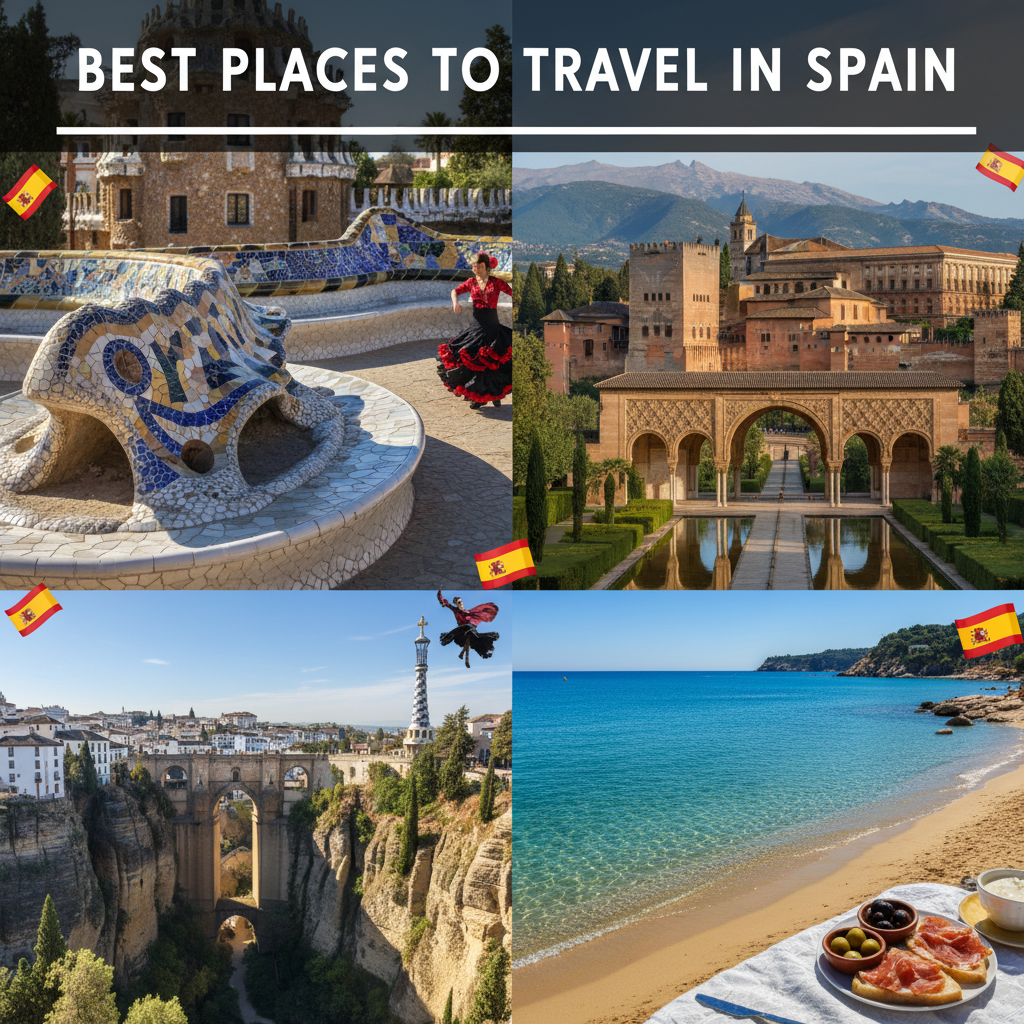
Why Spain Should Be Your Next Adventure in 2026
What Makes Spain Unique for Travelers This Year
Spain is set for another record-breaking tourism year in 2026, forecasting over 100 million international visitors and a 3.7% increase in arrivals. The industry’s contribution is expected to hit €229 billion, accounting for 13.1% of GDP. Driving the boom are Spain’s unrivaled cultural experiences, world-class cuisine, expanding digital infrastructure, and regionally diverse landscapes. Efforts to reduce peak-season pressure and new investments in sustainable tourism are making 2026 the ideal year to explore both classic sights and unexplored gems.
Latest Travel Trends and Updates in Spain for 2026
- Off-peak and shoulder season travel surges, with urban and secondary regions like Valencia, Murcia, and the Basque Country seeing growth of 5–10%.
- Sustainability: Regional policies target overtourism by promoting under-visited provinces such as Extremadura and Cantabria. Eco-certification and responsible travel initiatives expand.
- Digital nomadism grows fast, with e-commerce rising 25% YoY (Dec 2025), plus new coworking spaces and digital remote visas in key hubs.
- Family travel and solo exploration spark demand for safe, authentic, and easily accessible experiences from coast to mountain.
Quick Guide: Top 10 Best Places to Travel in Spain (2026 Edition)
Barcelona – Iconic Architecture & Urban Vibes
Barcelona’s Sagrada Família will finally be completed in 2026, sparking global attention. The city’s mix of Gaudí architecture, sandy beaches, and nightlife remains magnetic, despite anticipated crowd surges (especially around completion ceremonies). Book Sagrada Família tickets three months in advance. Visit early morning or shoulder seasons for a more relaxed vibe.
Madrid – Culture, Museums & Nightlife
Madrid leads in both international arrivals (23% share) and cultural experiences. The Golden Triangle of Art—Prado, Reina Sofía, and Thyssen-Bornemisza—offers must-see collections. The city’s culinary scene continues to evolve, and new green spaces cater to eco-conscious travelers. Madrid’s reliable infrastructure also makes it a hotspot for digital nomads.
Seville – Flamenco, Festivals & Historic Quarters
Seville hosts unmissable events: Semana Santa processions (early April) and the Feria de Abril. Advance booking is essential. The old quarter features the Real Alcázar and vibrant tapas bars. Modern sevillano chefs blend tradition with innovation. Visit in spring or fall for optimal weather.
Granada – Alhambra & Moorish Heritage
The Alhambra Palace remains a top draw—reserve tickets one to three months ahead. The city’s Albaicín neighborhood is a labyrinth of whitewashed alleys and rooftop tapas bars. Local chefs highlight Granada’s Moorish roots and seasonal ingredients.
Valencia – Beaches & City of Arts and Sciences
Valencia shines with its Mediterranean beaches, futuristic City of Arts and Sciences, and famous paella. Growth in air arrivals (double digits) is predicted for 2026. The Sorolla Museum is set to open, and Valencia’s bike-friendly streets offer easy, green exploration. Don’t miss Les Falles festival in March.
San Sebastián – Gourmet Hotspot & Coastal Beauty
Boasting some of Europe’s best urban beaches (La Concha) and a stellar array of pintxos bars, San Sebastián is a culinary capital. Plan for manageable crowds thanks to local regulations. Shoulder seasons offer the best value and atmosphere.
Bilbao – Art, Innovation & Basque Spirit
Home to the Guggenheim and expanding Fine Arts Museum (2026), Bilbao fuses industrial heritage with avant-garde art. It’s a thriving culinary scene—think riverside pintxo spots and Michelin restaurants. The city is spearheading Basque eco-tourism.
Mallorca – Mediterranean Relaxation
Family-friendly Mediterranean escapes thrive in Mallorca, with growth driven by European demand (85% of arrivals). Expect pristine beaches, hidden coves, and boutique stays. Book early for peak summer; visit in spring or fall for quiet coasts and mild weather.
Córdoba – Mezquita & Old Town Charm
Córdoba’s Mezquita, with its blend of Moorish and Christian architecture, remains a highlight. The UNESCO World Heritage old town charms with flower-filled patios and winding lanes. Spring (May) is best for the Patio Festival and reduced crowds.
Santiago de Compostela – Pilgrimage & Local Life
This spiritual city caps the Camino de Santiago. Rich in Romanesque architecture and vibrant local markets, Santiago offers a window into Galicia’s culture. New culinary zones and heritage restorations enhance its appeal for modern pilgrims and explorers alike.
Hidden Gems: Underrated Places to Travel in Spain
Off-the-Beaten-Path Villages and Coastal Towns
- Extremadura: Discover Cáceres (UNESCO medieval center) and whitewashed villages like Hervás. Expect 50–70% fewer tourists than Barcelona or Seville. Led by boutique hotels and authentic market culture.
- Cantabria: Explore fishing towns like Castro Urdiales and San Vicente de la Barquera, or plan mountain hikes in Picos de Europa.
- Tossa de Mar (Costa Brava): Stroll medieval ramparts and enjoy quiet beaches away from Catalonia’s masses.
- Burgos: Known for its gothic cathedral and Camino de Santiago heritage without the big-city crowds.
- Jaén: Offers castle-dotted scenery and hiking in the Sierra de Segura.
National Parks and Natural Wonders Beyond the Usual
- Monfragüe National Park (Extremadura): Hiking, birdwatching, and wild landscapes.
- Picos de Europa: Dramatic trekking routes and traditional mountain hamlets.
- Sierra de Segura (Jaén): Scenic, less-traveled trails perfect for autumn escapes.
Secret Culinary Destinations
| Destination | Culinary Standout | Market Tip |
|---|---|---|
| Bilbao | Pintxos, Michelin dining | Riverside bars |
| Granada | Innovative tapas | Rooftop venues |
| Valencia | Neighborhood markets | Bike to Les Falles (mid-March) |
| Extremadura | Atrio restaurant | Village produce |
Best Places to Travel in Spain by Traveler Type (2026)
Digital Nomads – Remote-Friendly Cities and Coworking Hotspots
Madrid, Valencia, and the Basque Country lead for digital infrastructure, affordable coworking, and international communities. New “remote work visas” and rising e-commerce (up 25% YoY) make Spain a magnet for location-independent lifestyles. Fast connectivity and urban amenities are standard in these hubs.
Family-Friendly Destinations for All Ages
The Balearic Islands and Valencian Community offer safe beaches, child-friendly resorts, and relaxed urban environments. Family travel demand is up 6.8% (Dec arrivals). Shoulder season (May/September) provides the best value and milder weather.
Solo Travelers – Safe, Social, and Inspiring Options
Madrid and Murcia shine for solo adventurers, thanks to vibrant social scenes, structured tours, and diversified options. Authentic coastal villages like those in Cantabria and Extremadura afford safe solo escapes with local markets and cultural immersion.
Eco-Tourists – Sustainable and Nature-First Places
Eco-friendly initiatives take center stage in the Basque Country and Castilla-La Mancha. These regions are piloting sustainable visitor models, offering bike/hiking trails, small-group eco excursions, and local food tours. Spotlights include Picos de Europa and Monfragüe National Park.
Seasonal Guide: Best Times to Visit the Top Places in Spain
Where to Go in Spring, Summer, Fall, and Winter
- Spring (March–May): Cherry blossoms in Extremadura, Valencia’s Les Falles, Seville’s Semana Santa. Temperate weather, moderate crowds.
- Summer (June–August): Coastal north (Cantabria, Costa Brava) for cooler weather. Avoid southern heatwaves, except on islands. Burgos is ideal for the August eclipse.
- Fall (September–October): Best hiking in Picos de Europa/Sierra de Segura; lowest crowds and mild temperatures.
- Winter: La Coruña promenades; Bilbao galleries; quieter northern cities. Off-season savings and intimate experiences.
Major Festivals and Events in 2026
- Sagrada Família completion (Barcelona): Major global event—visit outside ceremony dates to avoid capacity crowds.
- Semana Santa (Seville, March 29–April 5, 2026): Europe’s most iconic Holy Week processions. Reserve accommodations early.
- Les Falles (Valencia, March 15–19, 2026): Spectacular fireworks and giant puppets. Book tickets two months ahead.
- August 2026 solar eclipse viewing in Burgos.
Weather and Crowd Insights for Smart Planning
- Northern Spain (San Sebastian, Bilbao) sees 30–50% fewer winter visitors than southern hotspots.
- Hidden gems (Extremadura, Cantabria) offer half the crowd density of Barcelona/Seville, according to 2026 projections.
Sustainable Travel in Spain: Responsible Tourism for 2026
Eco-Friendly Accommodations and Experiences
- Choose hotels with eco-certification or local roots in Extremadura, Basque Country, and Valencia.
- Book small-group eco hikes in Picos de Europa and Monfragüe National Park.
Local Food, Markets, and Slow Travel Tips
Enjoy neighborhood markets in Granada and Valencia for seasonal produce. Skip chain restaurants—prioritize local tapas bars and village specialties.
How to Travel Consciously in Spain
- Advance-book key attractions (Alhambra, Real Alcázar).
- Limit plastic waste, use refillable bottles, opt for public transport, and support rural economies.
- Select off-peak dates to reduce strain on infrastructure.
Essential Tips for Traveling in Spain in 2026
Navigating New Attractions and Experiences
- Sagrada Família tickets often sell out months in advance in 2026. Use official tourist board websites or authorized resellers for bookings.
- Public transport networks in major cities now offer real-time e-tickets; local trains offer budget connections to regional gems.
Updated Visa, Health, and Safety Information
- No new restrictions for 2026. Standard Schengen visa remains, with streamlined EU entry protocols.
- Health regulations align with EU digital COVID certificates. No major health advisories listed for 2026.
Money-Saving Advice and Booking Tools
- Average daily budget: €100–150 (hostels, markets, public transit), depending on destination.
- Book boutique hotels in lesser-known regions for savings up to 40% versus Madrid/Barcelona rates.
- Use eSIM cards for affordable data access. Recommended: Roamight eSIM.
- Compare train and flight routes on platforms like Renfe, Omio, and Trainline for best rates.
Language, Etiquette, and Local Insights
- English is widely spoken in tourist centers; learning basic phrases in Spanish or Catalan/Galician adds value.
- Greet with a “buenos días” or “hola.” In rural/boutique areas, expect warm personal service and local etiquette (late dinners, market haggling).
Frequently Asked Questions About the Best Places to Travel in Spain
- What is the best time to visit Spain in 2026? Spring and fall balance good weather, festivals, and manageable crowds.
- Are there still authentic, less-touristed spots in Spain? Yes. Extremadura, Cantabria, Burgos, and Jaén are notably less crowded.
- How far ahead should I book top attractions? 1–3 months, depending on site (Alhambra, Sagrada Família, Real Alcázar).
- Is Spain safe for solo/family travelers? Yes. Major and regional cities score high for safety and services.
- What are top tips for sustainable travel? Travel off-peak, use local guides, support eco-certified stays, and avoid single-use plastics.
Resources & Planning Tools for Your 2026 Spanish Journey
- Official tourism site: Spain.info
- Transport booking: Renfe, Omio
- Museum and event ticketing: Use official websites
- Weather forecasts: AEMET
- For digital nomads: Nomad List
- Ready to explore Spain in 2026? Start planning today—book tickets, accommodations, and experiences ahead for the best value and most memorable adventure!