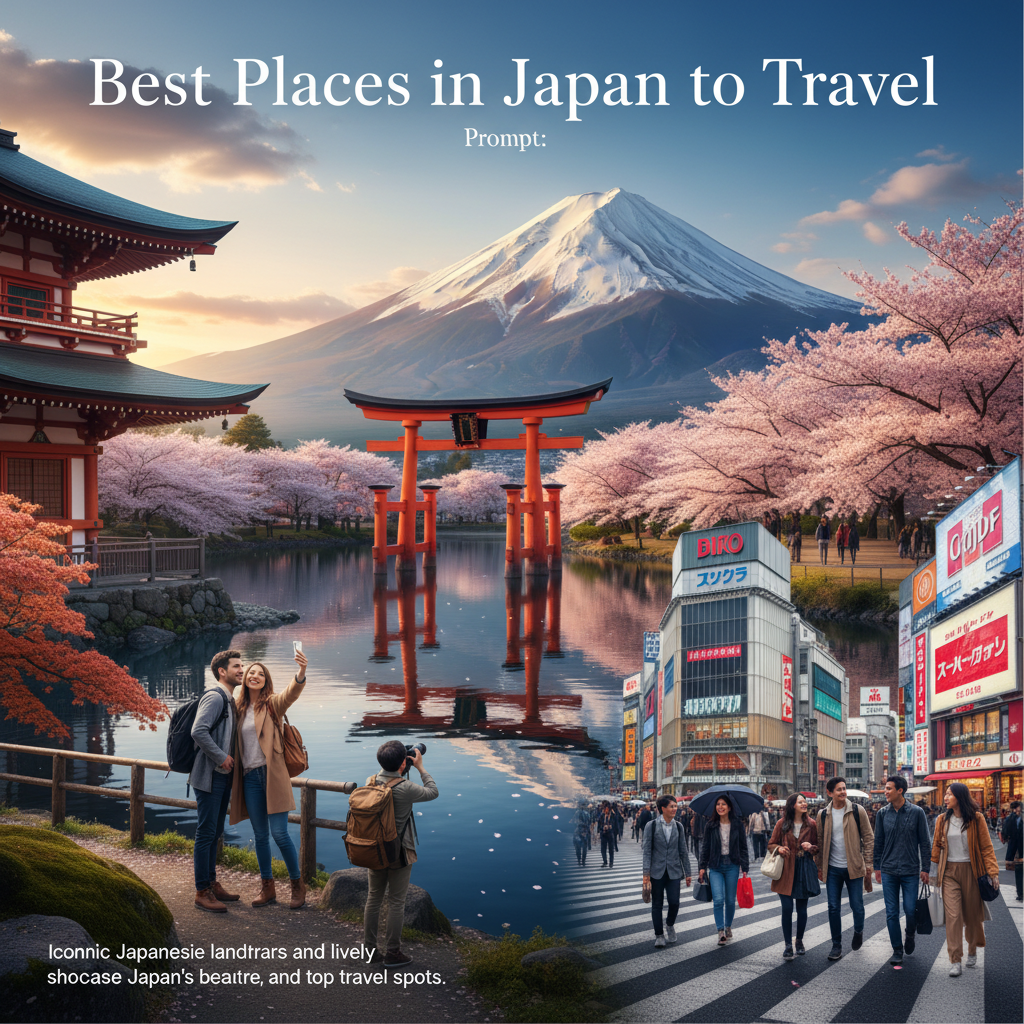
Why 2026 is a Unique Year to Discover the Best Places in Japan to Travel
Emerging Trends and Travel Updates in Japan for 2026
Japan broke tourism records in 2025, welcoming 42.7 million international visitors (+15.8% from 2024), making it a top three global destination. However, forecasts indicate about 41 million visitors in 2026 due to a 2.8% projected reduction in inbound numbers. Trends show visitors branching out from traditional cities (Tokyo, Kyoto, Osaka) to explore lesser-known regions. The weak yen drives affordability (¥150/USD) even as some costs rise. Visitor spending hit ¥9.5 trillion in 2025. A crucial change: from July 2026 the departure tax will triple to ¥3,000, impacting budget-conscious travelers and influencing visitation patterns.
| Year | International Visitors (millions) | Top Markets (2025) |
|---|---|---|
| 2024 | 37.0 | South Korea, China, Taiwan, US |
| 2025 | 42.7 | South Korea (9.5m), China (9.1m), Taiwan (6.8m), US (3.3m) |
| 2026 (forecast) | 41.0 | Shift to rural & smaller cities |
Post-Pandemic Changes and New Opportunities for Visitors
Japan relaxed most entry restrictions by 2025. In 2026, authorities will focus on managing overtourism (especially Kyoto and Fuji) and dispersing visitors to rural gems. There’s increasing support for digital payments, updated rail apps (Welcome Suica Mobile), and enhanced regional transport passes. Exclusive experiences—like all-season hiking, arts festivals, and immersive eco stays—are being promoted to balance environmental and tourism pressure.
2026 Cultural Events and Festivals to Plan Around
Although the high-profile Osaka World Expo ended in 2025, major local festivals return in 2026: Takayama Spring and Autumn Festivals, Kyoto’s Gion Matsuri (July), and cherry blossom season viewings in rural Tohoku and Hirosaki. Expect new art installations on Setouchi islands and digital art events in Kyoto. Check event calendars as dates and quotas may affect booking availability.
Best Places in Japan to Travel for Every Season in 2026
Spring Destinations Beyond Tokyo and Kyoto – Cherry Blossoms in Hirosaki & Rural Tohoku
Hirosaki in Aomori is acclaimed for its extensive cherry blossom parks around the original castle—fewer crowds and stunning moat reflections differentiate it. Yoshino (Nara) boasts layered cherry forests, while Kawazu (Izu Peninsula) offers early bloom in March with a relaxed riverside vibe. Rural Tohoku’s smaller towns host authentic festivals and local food fares.
- Best Hanami Period: Late March–Early May (varies by latitude)
- Recommended Stays: Hirosaki Park Hotel (hirosaki.co.jp), riverside ryokan in Kawazu
Summer Escapes – Hokkaido’s Wilderness and Remote Islands
Rebun Island and Biei-Furano in Hokkaido excel with mild weather, wildflower alpine hikes, lavender fields, and iconic blue ponds. The Kuju Mountains in Kyushu combine bloom-filled trails and hike-in onsen. These offer adventure with fewer tourists and are praised for stunning nature in travel reviews.
- Best Months: June–August (mild, not humid)
- Top Review: Rebun’s 8-hour trails rated “remote beauty” by expert hikers
Fall Foliage Hotspots – Kanazawa, Nishizawa Valley & Uncrowded Viewing Spots
Kanazawa is ideal for cultural walks under maples and compact samurai districts. Nishizawa Valley (Yamanashi) and Oirase Stream/Lake Towada (Tohoku) are praised for vibrant foliage and rustic onsen escapes. Nikko (Tochigi) offers foliage blended with shrines and historic bridges, touted by travel experts as a “beaten-path alternative.”
- Peak Color: Late October–Mid November (by elevation)
- Foliage Tools: Use JNTO weekly autumn forecast charts
Winter Wonders – Powder Snow Adventures in Tohoku and Hidden Onsen Villages
Japan’s north—Tohoku, Akita, and Iwate—competes with Hokkaido for powder snow (average annual snow 10–14m in top resorts). Kinosaki Onsen (Hyogo) offers lantern-lit streets and premium snow crab feasts, while Cape Ashizuri (Shikoku) attracts winter hikers for dramatic coastal vistas. Naoshima is a serene art retreat in the off-season.
- Best Ski Season: December–February
- Top Onsen Tip: Book multi-inn passes in Kinosaki for immersive bath-touring
Best Places in Japan to Travel for Local Experiences and Immersive Stays
Traditional Village Life: Shirakawa-go and Lesser-Known Gassho Villages
Shirakawa-go is a UNESCO site famed for gassho-style farmhouses and snowy winter festivals. Nearby villages in Gifu Prefecture (like Ainokura, Suganuma) offer similar charm without crowds, perfect for eco stays and local hands-on workshops. Guest satisfaction for immersive village lodgings exceeds 90% in recent reviews.
Eco-Tourism & Nature Retreats in Shikoku and Kyushu
Shikoku features the 88 Temple Pilgrimage and dramatic Cape Ashizuri hikes, with eco-friendly inns focused on sustainable tourism. Kyushu’s Kuju Mountains and Iriomote Island (Okinawa) specialize in rural homestays, guided forest treks, and biodiversity experiences, frequently included in eco-travel rankings for 2026.
Modern Japan Off-the-Beaten-Track: Art Islands (Naoshima, Teshima) and Up-and-Coming Cities
Contemporary art hubs on Naoshima and Teshima attract international travelers with the Benesse House (book here). Kyoto and Tokyo now offer immersive art hotel experiences (see teamLab at Banyan Tree). New hubs like Kanazawa blend samurai tradition with 21st-century design hotels.
Food and Slow Travel Destinations – Fukuoka, Kanazawa, and Seaside Towns
Fukuoka is lauded for its yatai street food stalls and ramen varieties. Kanazawa excels in fresh seafood markets and kaiseki cuisine. Coastal towns in Shikoku and Akita offer seasonal fish, sake tastings, and farm-to-table ryokan experiences—recommended in expert blogs as alternatives to Tokyo’s high prices.
- Booking Tip: Slow travel tours and cooking classes fill quickly; check JNTO or Booking.com for latest offers.
Best Places in Japan to Travel for Repeat Visitors and Adventure Seekers
Hiking and Outdoor Exploration in the Japanese Alps & Mount Kuju
The Kumano Kodo trails in Wakayama (UNESCO) offer advanced treks with temple stays. Rebun Island and Mount Asahi in Hokkaido are best for multi-day alpine hiking (cross-island trails, panoramic peaks). Kuju Mountains (Kyushu) and the Nakasendo highway (Magome/Tsumago) earn high adventure ratings and are praised for secluded nature and cultural immersion. Over 90% of guided active tours rate as excellent in reviews.
Cultural Immersion: Temple Stays and Rural Festivals in 2026
Temple stays (shukubo) in Wakayama’s Koyasan and Sennan (Osaka) include samurai training, Zen meditation, and vegetarian meals. Rural festivals in Kyushu and Hokkaido further connect visitors to Japan’s local heritage, with unique matsuri and night-time lantern hikes. Check town calendars for 2026 festival slots due to surging tourist interest post-pandemic.
Exploring Lesser-Known Coastal Routes and Islands
Iriomote (Okinawa) and Cape Ashizuri (Shikoku) deliver kayaking in mangrove forests, jungle treks, and lighthouse explorations—areas free from mass tourism. Guided routes in Minakami (Gunma) highlight white-water rafting and canyoning. Coastal escapes remain accessible thanks to new regional transport passes.
Practical Tips for Exploring the Best Places in Japan to Travel
Navigating Japan’s Updated Rail and Transport Systems (2026 Guide)
The Welcome Suica Mobile app and enhanced JR East reservation platform make IC card-free ticketing easy. Regional rail passes provide efficient coverage. Book popular shinkansen seats and festival routes well in advance—especially to Tohoku and Hokkaido in peak nature seasons. City subways still stop at midnight; taxi/shuttle alternatives advised outside urban zones.
Seasonal Packing, Etiquette, and Booking Insights
- Packing: Walking shoes, light jackets (spring), umbrellas (rainy summer), layers for autumn, thermal clothing for northern winter. Pack unique medications, plus translation apps for rural areas.
- Etiquette: Quiet on trains, shoes off indoors, souvenir and digital payment etiquette.
- Booking: Reserve flights and accommodation 5 months ahead; use free-cancellation options, and book activity tickets (onsen, museums, events) early. Digital receipts and cashless payments are strongly encouraged in 2026.
Sustainable and Responsible Travel in Japan
Opt for stays recommended by JNTO’s eco-directory. Choose regional rail/shuttle passes over car rentals. Prioritize villages and secondary cities for low-impact travel. Support local businesses in less-visited regions and visit popular attractions during weekdays or off-peak hours to ease overtourism. Many sustainable ryokan now offer family-friendly activities and nature-based programs; check JNTO for certified listings.
FAQ: Choosing the Best Places in Japan to Travel in 2026
- What are the new travel rules for 2026?
Increased departure tax (¥3,000 after July), in-store tax-free shopping ends November—airport refunds required. Visa-free entry remains for 74 countries (15–90 days). Digital authorization (JESTA) not needed until at least 2028. - What are the weather and crowd patterns?
Shoulder seasons (May–June, September–October) offer best balance. Spring and fall are busiest; rural Tohoku, Shikoku, and Kyushu remain less crowded year-round. - Are there new festivals/events in 2026?
No mega-events post-Expo, but traditional festivals and art island programs continue. Plan ahead for popular matsuri and art installations—book extra early. - How much does travel cost?
Budget for ¥10,000–¥20,000/night mid-segment lodging; JR Pass ¥50,000/week; daily spend ¥20,000–¥40,000 excluding flights. Weak yen offers 20–25% value advantage for many travelers. - How to avoid tourist hotspots?
Opt for Tohoku, Shikoku inland, Kanazawa, or coastal islands. Use quotas for Mount Fuji and book guided rural tours.
Final Recommendations: How to Curate Your Ultimate Japan Itinerary for 2026
Experts recommend:
- 7–10 Days: Focus on the “Golden Route”: Tokyo → Hakone/Fuji → Kyoto → Osaka, with 1-day excursions to Nikko or Nara. Use a JR Pass for convenience and savings.
- 14 Days: Add excursions to Kanazawa or Hiroshima, include a Tohoku or Shikoku detour, and plan an inland or art island (Naoshima/Teshima) overnight for immersive local experiences.
- Adventure/Hiking: Prioritize Kumano Kodo, Kuju Mountains, or Rebun Island itineraries. Consider guided multi-day treks and temple stays, and avoid peak city periods for nature excursions.
- Slow Travel/Foodies: Spend 2–3 nights in Fukuoka or Kanazawa; join local cooking classes and izakaya hops in seaside towns.
For bookings and latest offers, use Booking.com, JNTO official travel site, and expert tour planners like Audley Travel or TripMasters. Always verify real-time updates due to regulatory shifts and festival date variations.